Home / Countertop Thickness Explained
What Countertop Thickness Changes
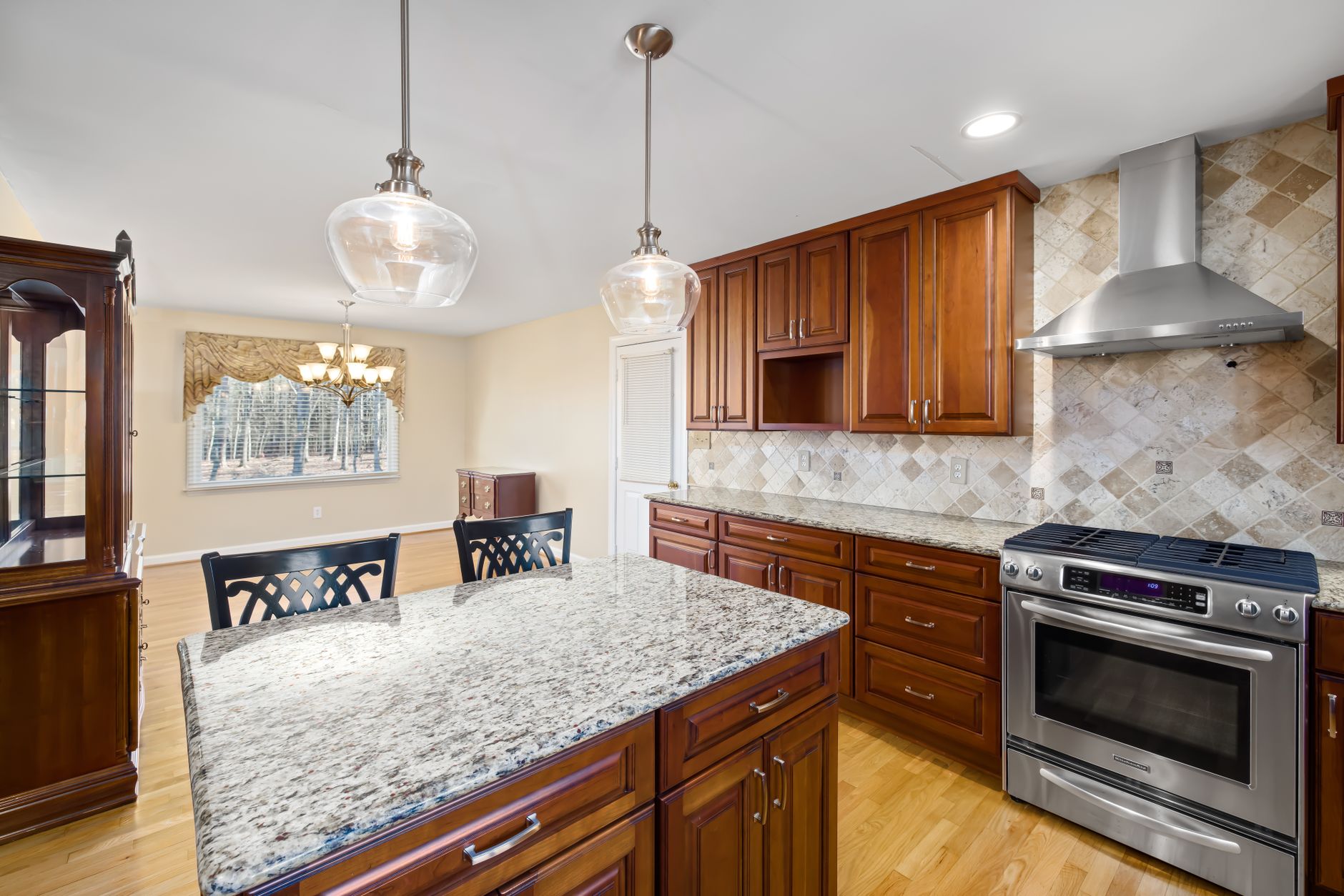
Understanding the Impact of Slab Thickness
When selecting a new countertop, one of the most significant decisions involves the thickness of the material. While many homeowners focus primarily on the color or pattern of the stone, the vertical dimension of the slab plays a critical role in the final appearance, the structural integrity, and the installation methods required. Most natural and engineered stone products are manufactured in standard thicknesses, typically categorized as 2cm or 3cm slabs. Choosing between these options is not merely an aesthetic choice, but one that affects how the material interacts with the cabinetry and the surrounding environment.
The thickness of a countertop dictates the visual weight it brings to a kitchen or bathroom. A thicker slab often conveys a sense of luxury and permanence, whereas a thinner slab can feel more modern, streamlined, or delicate. Beyond the visual impact, thickness influences the physical properties of the surface, including its resistance to certain types of stress and the level of support needed from the underlying structures. Understanding these nuances helps in making an informed decision that aligns with the architectural style of the home, whether it is a historic Craftsman in the Wood Streets or a newer residence in Canyon Crest.
Thickness interacts with the material you choose, so the comparisons on riverside custom countertops hub are the place to start before you decide.
Comparing 2cm and 3cm Slabs
The distinction between 2cm and 3cm slabs is the foundation of countertop planning. These two measurements represent the most common industry standards for stone, quartz, and porcelain. Each thickness carries specific characteristics that influence both the fabrication process and the end result.
The Characteristics of 2cm Slabs
Slabs that are approximately 2cm thick are often viewed as a more lightweight option. Because they are thinner, they are easier to handle during the initial stages of fabrication and transport. In many design applications, 2cm slabs are used for backsplashes, bathroom vanities, or in settings where a more understated profile is desired. However, because they lack the inherent mass of thicker stone, they often require additional support to prevent cracking or flexing. When used as a primary work surface in a high traffic kitchen, 2cm slabs almost always require a method to increase their profile or provide structural reinforcement.
The Characteristics of 3cm Slabs
The 3cm slab is widely considered the standard for high end kitchen installations. The extra thickness provides a substantial, premium look that many homeowners prefer for primary workspaces. From a functional standpoint, the added mass of a 3cm slab offers increased durability and a greater resistance to breaking during the installation process. These slabs are generally more stable when spanning distances between cabinets. Because they possess more internal strength, they are often used without additional edge treatments to achieve a thick look, allowing the natural edge of the stone to serve as the finished profile.
Methods for Increasing Visual Thickness
If a homeowner prefers the look of a heavy, thick slab but chooses a thinner material for budgetary or design reasons, there are several professional techniques used to bridge the gap. These methods allow a thinner piece of stone to mimic the appearance of a much thicker slab.
Building Up with Plywood or Substrates
One common method for utilizing thinner slabs is to build up the profile using a substrate. This often involves using plywood or a similar sturdy material to create a platform underneath the stone. By attaching the 2cm slab to a raised base, the total height of the countertop is increased to resemble a 3cm or even thicker surface. This method is particularly useful for ensuring that the thin slab has the necessary structural support to handle the weight of appliances or the pressure of daily use. It effectively turns a thin piece of stone into a composite structure with much higher rigidity.
Laminated and Mitered Edges
For those seeking a seamless look that simulates a solid, thick block of stone, edge treatments are essential. Laminated edges involve attaching an additional strip of the same material to the front edge of the slab. This increases the vertical face of the countertop, making a 2cm slab appear significantly deeper. Another sophisticated approach is the mitered edge. In this process, the edges of the slab and the additional strip are cut at an angle so they fit together perfectly. When executed correctly, the seam becomes nearly invisible, creating the illusion that the entire countertop is a single, thick piece of stone. This technique is frequently used with porcelain or sintered stone to achieve a bold, architectural look without the weight of a solid thick slab.
Strength, Spans, and Appliance Considerations
The thickness of a countertop is directly related to its ability to withstand physical stresses. This is especially true when considering the spans between cabinets and the vibrations caused by household appliances.
Managing Spans and Support
A countertop is rarely a single, unsupported piece of stone. It rests on cabinetry, but it also must bridge the gaps between those supports. As the span increases, the risk of the material cracking under its own weight or under the weight of items placed upon it also increases. Thicker slabs, such as 3cm granite or quartzite, are naturally better at handling longer spans. Thinner slabs are much more susceptible to "deflection," which is a slight bending that can lead to catastrophic failure. In areas where the countertop must stretch across a large distance, such as an island, the thickness of the material or the presence of internal supports becomes a critical safety factor.
Impact of Dishwashers and Vibrations
Kitchen environments involve more than just static weight. Appliances like dishwashers introduce mechanical vibrations into the cabinetry and the countertop above them. A countertop that is too thin or insufficiently supported may experience stress from these repetitive movements. Furthermore, the area around a dishwasher often experiences temperature fluctuations. While natural stones like granite are highly heat tolerant, the structural integrity of the countertop depends on it being securely mounted to prevent shifting. Ensuring that the thickness and support system are adequate helps mitigate the risk of cracks developing near appliance cutouts or along long spans.
Regional Preferences and Material Suitability
While thickness is a technical specification, the choice of material and thickness can be influenced by the local environment and the style of the home. In regions like the Inland Empire, where the climate is characterized by long, hot, and dry summers, the choice of material must account for environmental factors.
Environmental Considerations in Riverside
In Riverside, the sunlight can be quite intense for much of the year. This is an important consideration for homeowners choosing engineered quartz. Because quartz contains polymer resins, prolonged exposure to strong direct sunlight can lead to yellowing or fading. For outdoor kitchens or areas with large windows and intense sun, thicker porcelain or sintered stone may be a more resilient choice, as these materials are fired at extremely high temperatures and resist UV fading. Additionally, the hard water common in the region, which is often high in calcium and magnesium, means that natural stones like granite or marble will require regular attention to prevent mineral spotting or etching.
Architectural Styles and Aesthetic Trends
The preferred thickness and material often reflect the era of the home. In older, historic neighborhoods, homeowners might opt for thicker, more traditional stone profiles to complement the heavy wood and intricate details of Craftsman or Victorian architecture. Conversely, in newer developments in areas like Mission Grove or Arlington, there is often a preference for the sleek, thin profiles offered by modern porcelain or slim-profile quartz installations. These contemporary designs favor clean lines and minimal visual clutter, making the choice of slab thickness a key component of the overall architectural harmony of the home.
Summary of Material Durability and Thickness
Ultimately, the decision regarding countertop thickness is a balance between aesthetics, structural requirements, and the specific properties of the chosen material. A thick slab offers immediate strength and a sense of luxury, while a thinner slab provides versatility and can be modified through clever fabrication techniques.
- Granite and Quartzite: These natural stones benefit from thickness to handle long spans and are highly heat resistant, though they may require sealing to manage mineral deposits from hard water.
- Engineered Quartz: Offers a consistent look but is sensitive to extreme heat and direct UV exposure, making thickness and placement important for longevity.
- Porcelain and Sintered Stone: Excellent for high heat and UV resistance, but their thin nature makes them more prone to chipping at the edges, often requiring careful edge fabrication.
- Marble: A softer stone that is susceptible to etching and staining, where thickness can add a sense of grandeur to its delicate appearance.
- Laminate: A budget friendly option where thickness is often standardized, but it remains vulnerable to water damage at the seams.